The 把 Sentence — 把字句
Overview
The 把 (bǎ) sentence is one of the most important structures you will learn in Chinese. It is often called the "disposal form" because it emphasizes what happens to an object through an action — how it is handled, changed, moved, or affected. "Disposal" does not mean throwing something away. It means the action produces a concrete result on the object: moving it, changing its state, creating something, or transferring it to someone. For English speakers, the 把 structure feels unusual because it reverses the usual word order. Instead of Subject–Verb–Object, a 把 sentence uses Subject–把–Object–Verb–Complement. Think of the 把 sentence as a way to focus on what happens to a specific thing. When you use this structure, you're telling your listener: "Pay attention to what happens to THIS object!"
把 is the "disposal form" — it moves a specific object before the verb using Subject–把–Object–Verb–Complement word order, directing the listener's attention to what happened to that object.
| Normal Sentence | 把 Sentence | |
|---|---|---|
| Chinese | 我吃了苹果。 | 我把苹果吃了。 |
| Pinyin | Wǒ chī le píngguǒ. | Wǒ bǎ píngguǒ chī le. |
| English | I ate an apple. (just a fact) | I ate the apple up. (focus on what happened to the apple) |
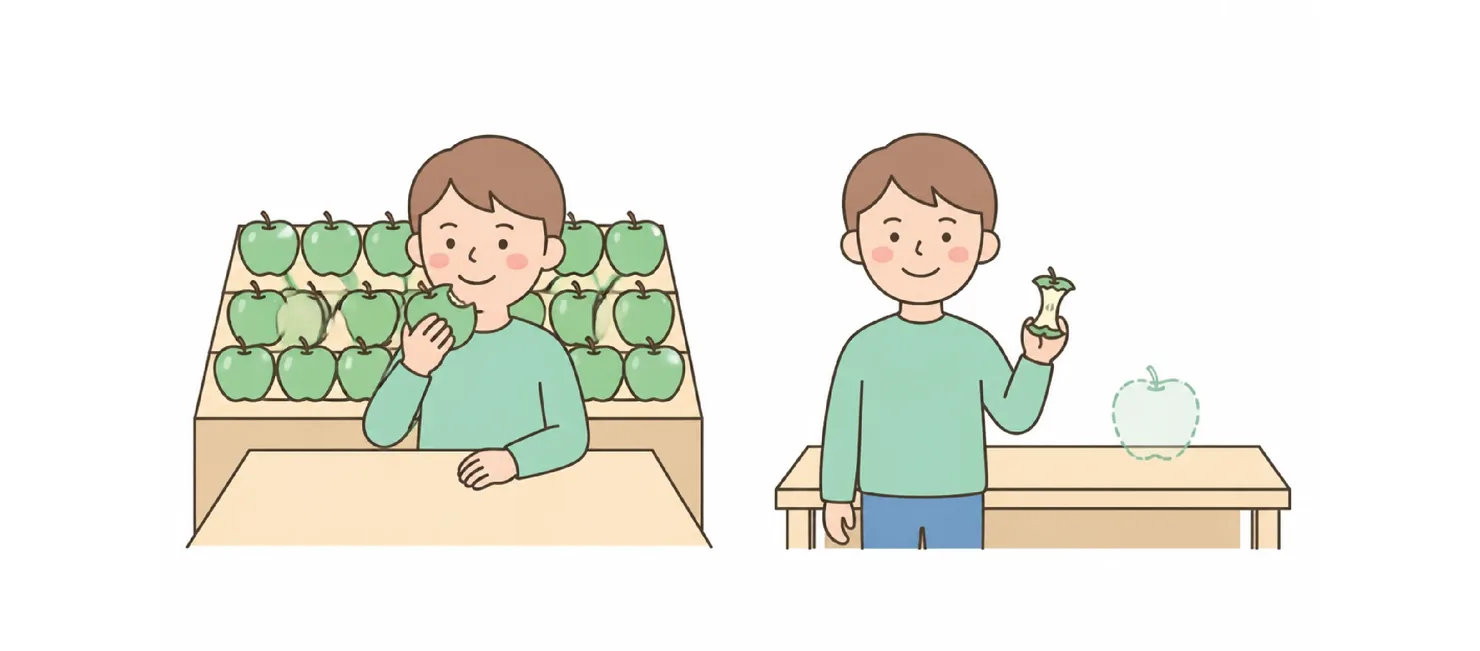 SVO describes an action on any object; 把 focuses on what happens to a specific, known object.
Pattern(s)
Subject + 把 + Object + Verb + ComplementThe complement after the verb shows the result, direction, or completion of the action. See §2 for the full list of complement types.
1. When to Use 把
Before diving into the structure itself, let's answer the most important question: When should I use 把, and when should I use the regular Subject-Verb-Object order I already know? The best way to understand 把 is to imagine you want to tell someone what happened to a specific thing. In English, there's a subtle difference between "I sent an email" (just a fact — any email) and "I sent the email" (a specific email you both know about, and I want to tell you it's been sent). Chinese uses two different sentence structures for these two meanings, and 把 is the structure for the second case — when both you and the listener know exactly which object you're talking about, and the focus is on what happened to it.
Use 把 when both you and the listener know exactly which object is being discussed, and the focus is on what happened to it. Use regular SVO for neutral facts about unspecified things.
What Problem Does 把 Solve?
Consider the difference between these two English sentences: “I sent an email” (just a fact — which email? Doesn’t matter) and “I sent the email” (you know which email I mean, and I want to tell you it’s sent). In Chinese:
Regular SVO = neutral fact about any thing. 把 sentence = specific known thing, with focus on what happened to it:
| Structure | Chinese | Pinyin | What It Means |
|---|---|---|---|
| Regular SVO | 我发了一封邮件。 | Wǒ fā le yī fēng yóujiàn. | ”I sent an email.” (Just a fact. Which email? Doesn’t matter.) |
| 把 Sentence | 我把邮件发了。 | Wǒ bǎ yóujiàn fā le. | ”I sent the email.” (You know which email, and now it’s sent.) |
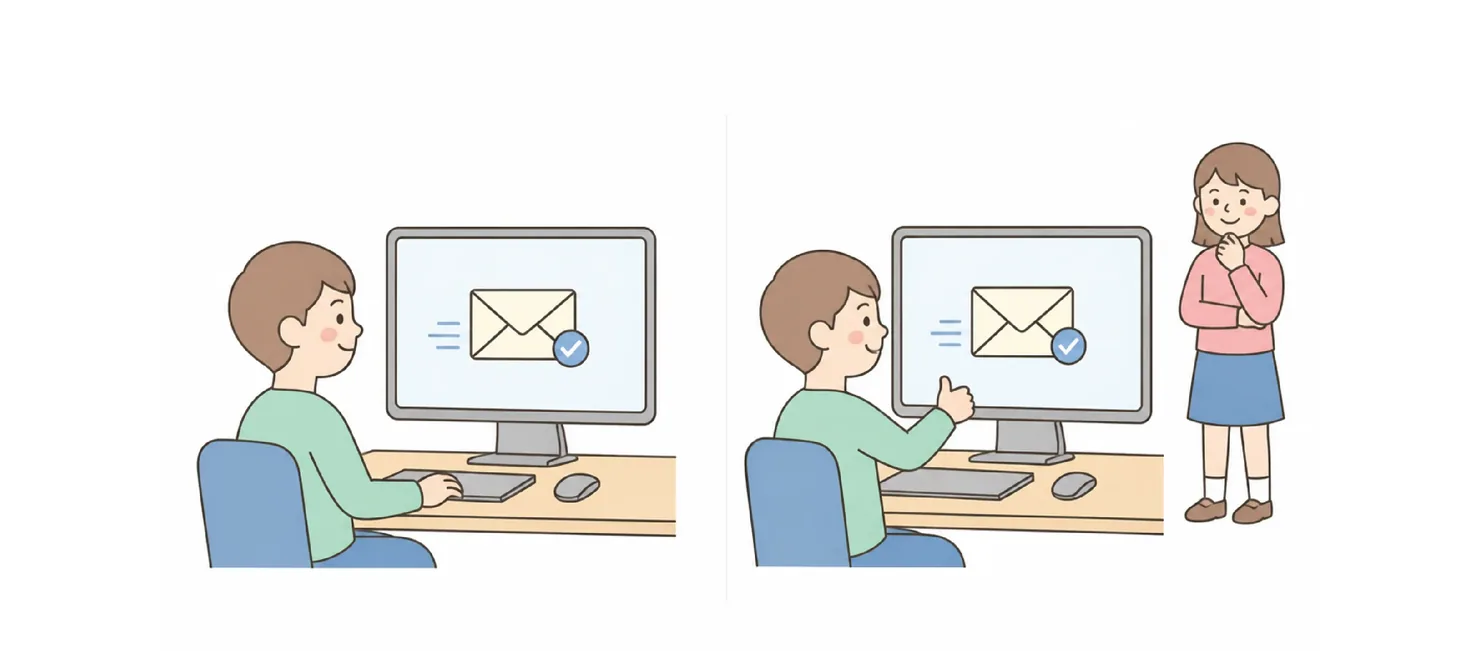 “I sent the email” — both speaker and listener know which email; the focus is on the fact that it’s been sent.
So the “problem” that 把 solves is: how do we emphasize what happens to a specific object? Without 把, Chinese uses Subject-Verb-Object order, which is good for stating facts. With 把, we move the object in front of the verb to give it special attention. See the difference with another example:
把 moves the object before the verb to give it special attention. Compare:
| Chinese | Pinyin | English | |
|---|---|---|---|
| Regular SVO | 我关了门。 | Wǒ guān le mén. | I closed the door. (Just a fact) |
| 把 Sentence | 我把门关上了。 | Wǒ bǎ mén guān shàng le. | I got the door closed. / The door is now closed. (Focus on the result) |
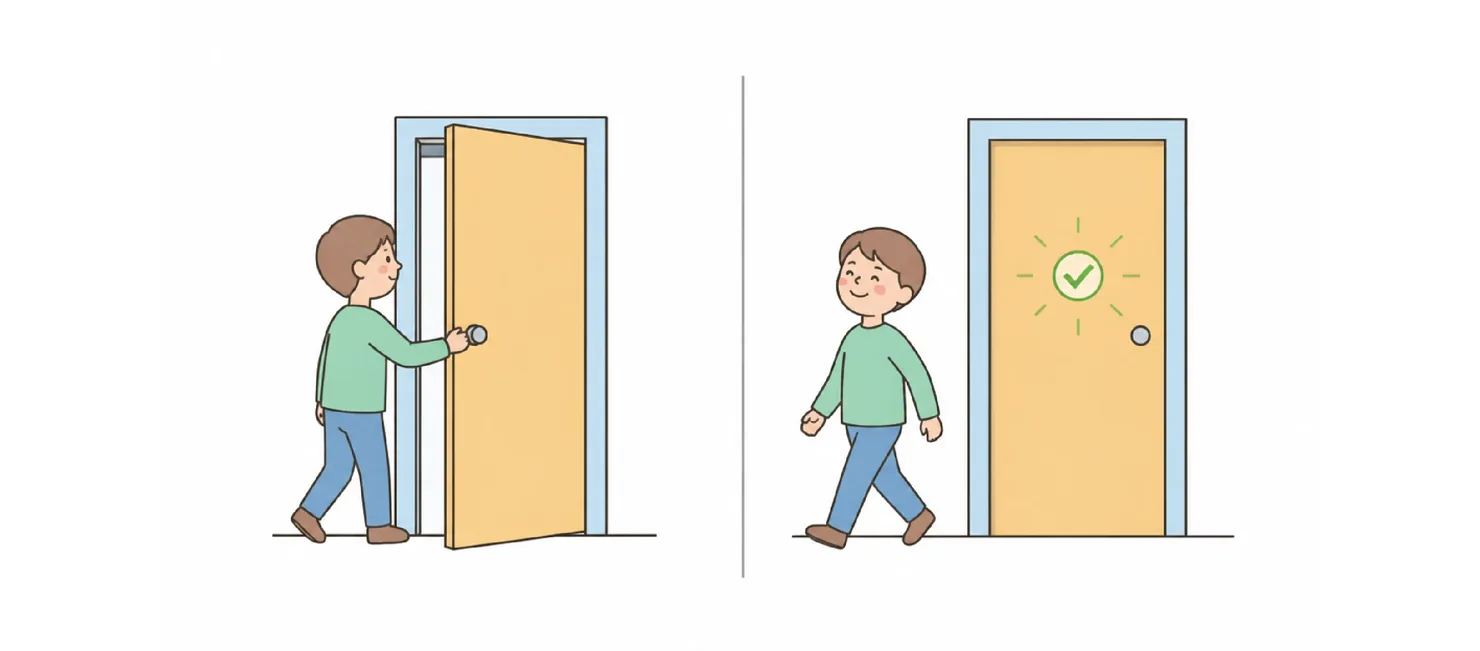 The 把 sentence emphasises the result: the door is now closed (关上了), not just that closing happened.
See the difference? The 把 sentence focuses on the result: the door is now closed. The regular sentence just tells us what happened. Think of it this way: use 把 when your listener needs to know what happened to THAT specific thing.
When to Use 把
Use 把 when the object is specific and you want to emphasize what happens to it. Here are the three most common situations:
The three situations where 把 is used:
| Situation | Example | Pinyin | English |
|---|---|---|---|
| 1. Giving a command | 请把窗户打开。 | Qǐng bǎ chuānghu dǎ kāi. | Please open the window. |
| 2. The object is specific/known | 把我的手机拿来。 | Bǎ wǒ de shǒujī ná lái. | Bring my phone. (You know which phone) |
| 3. Emphasizing a result | 我把作业做完了。 | Wǒ bǎ zuòyè zuò wán le. | I finished the homework. (Emphasizes “finished”) |
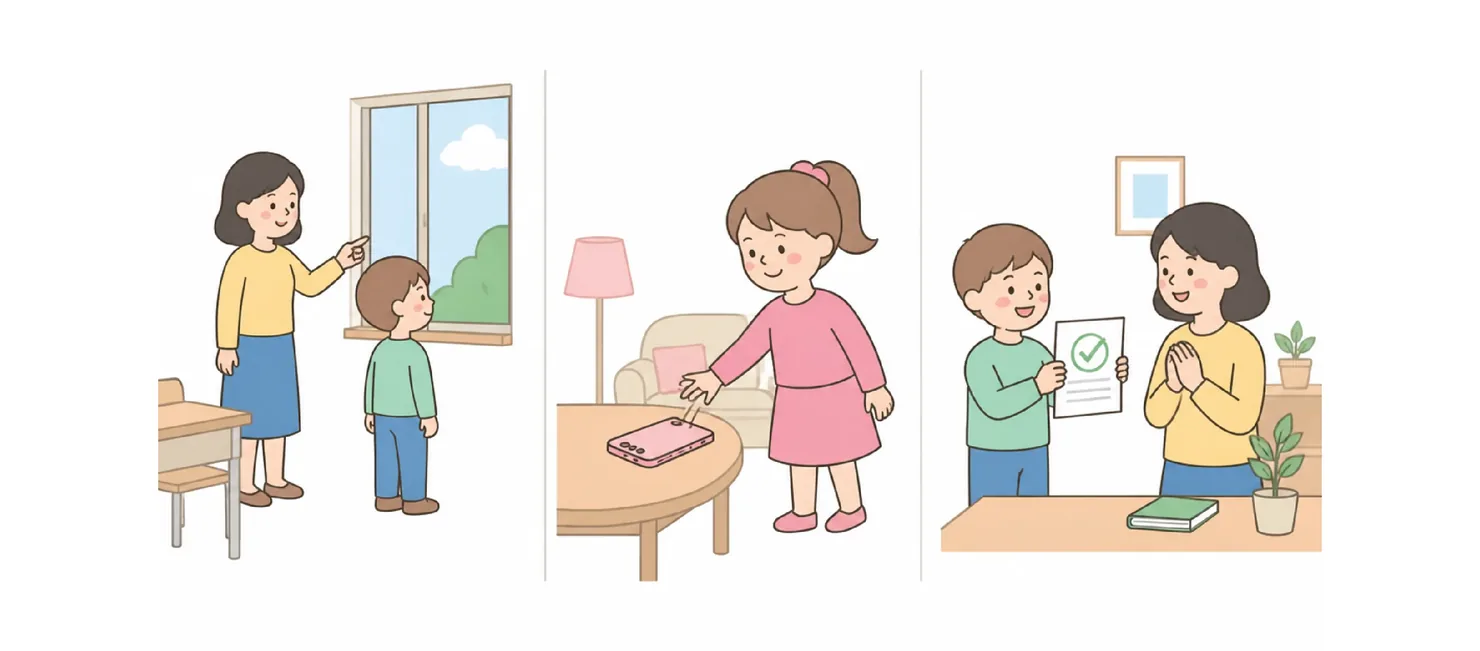 The three core situations for 把: giving a command, referring to a specific known object, and emphasising a completed result.
1. Giving a command or instruction. When you tell someone to do something to a specific object, you naturally want to emphasize what happens to that object. If you say “Please open the window,” you’re focusing on the window and the action of opening it. The listener knows exactly which window you mean (the one in the room), so 把 is perfect here.
2. The object is specific and known. When both you and the listener know exactly which thing you’re talking about, you use 把. “Bring my phone” — you’re talking about a specific phone that belongs to you. The listener knows which phone you mean. This is the most common use of 把.
3. Emphasizing a result. When you want to highlight that an action is completely finished or has a clear result, use 把. “I finished the homework” emphasizes that the homework is now complete. The focus is on the result (finished), not just the action.
- Giving a command — the listener knows which specific object is meant.
- Object is specific and known to both parties (my phone, that book, this water).
- Emphasizing a result — the action is finished or has a clear outcome.
When NOT to Use 把
Don’t use 把 in these three situations:
The three situations where 把 is NOT used:
| Situation | Example | Pinyin | English |
|---|---|---|---|
| 1. The object is not specific | 我买了一本书。 | Wǒ mǎi le yī běn shū. | I bought a book. (Any book) |
| 2. Just stating a general fact | 我喝水。 | Wǒ hē shuǐ. | I drink water. (Just a habit) |
| 3. The verb doesn’t affect the object | 我喜欢这本书。 | Wǒ xǐhuān zhè běn shū. | I like this book. (Liking doesn’t change the book) |
1. The object is not specific (indefinite). When you mention something for the first time or when the listener doesn’t know which specific thing you mean, you cannot use 把. “I bought a book” — which book? The listener doesn’t know. Use regular SVO instead.
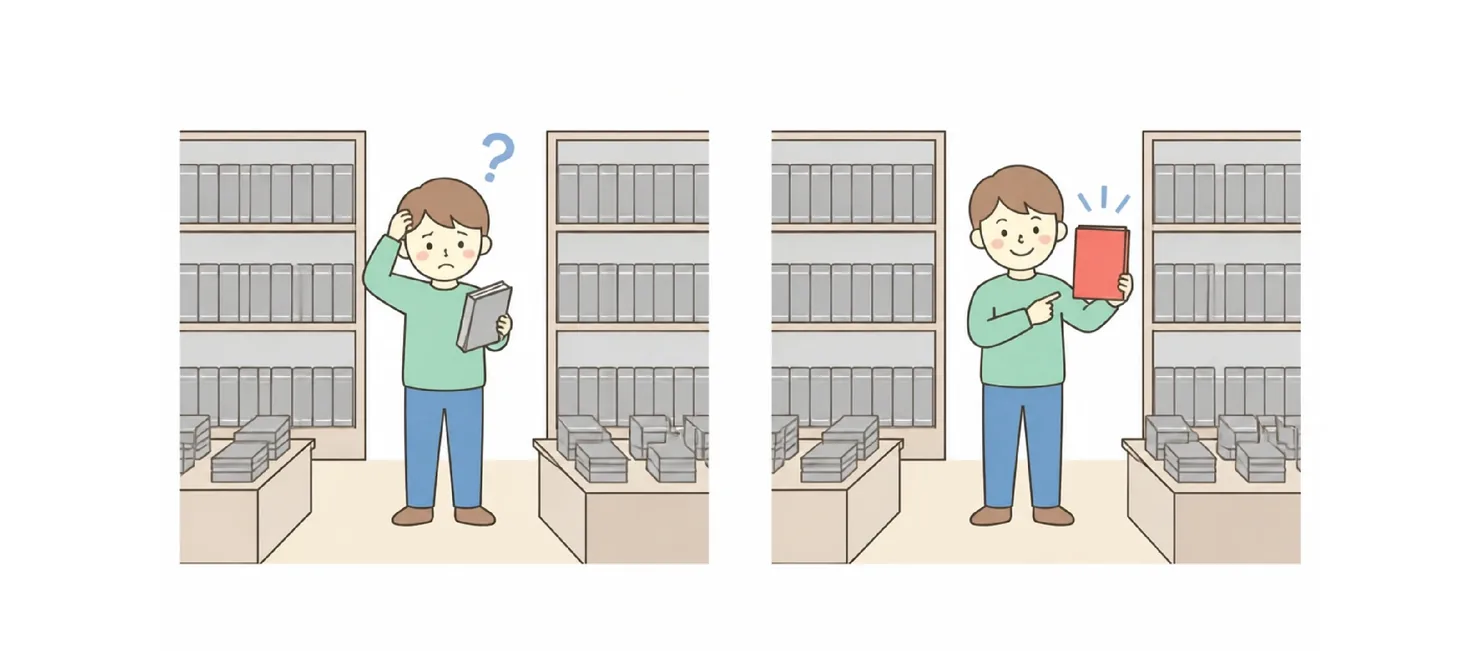 Any book vs. that book — only a specific, known object can follow 把.
2. Just stating a general fact. When you’re talking about a general habit, routine, or fact, you don’t need 把. “I drink water” is just stating a habit. Nobody is wondering what happened to a specific glass of water. Use regular SVO.
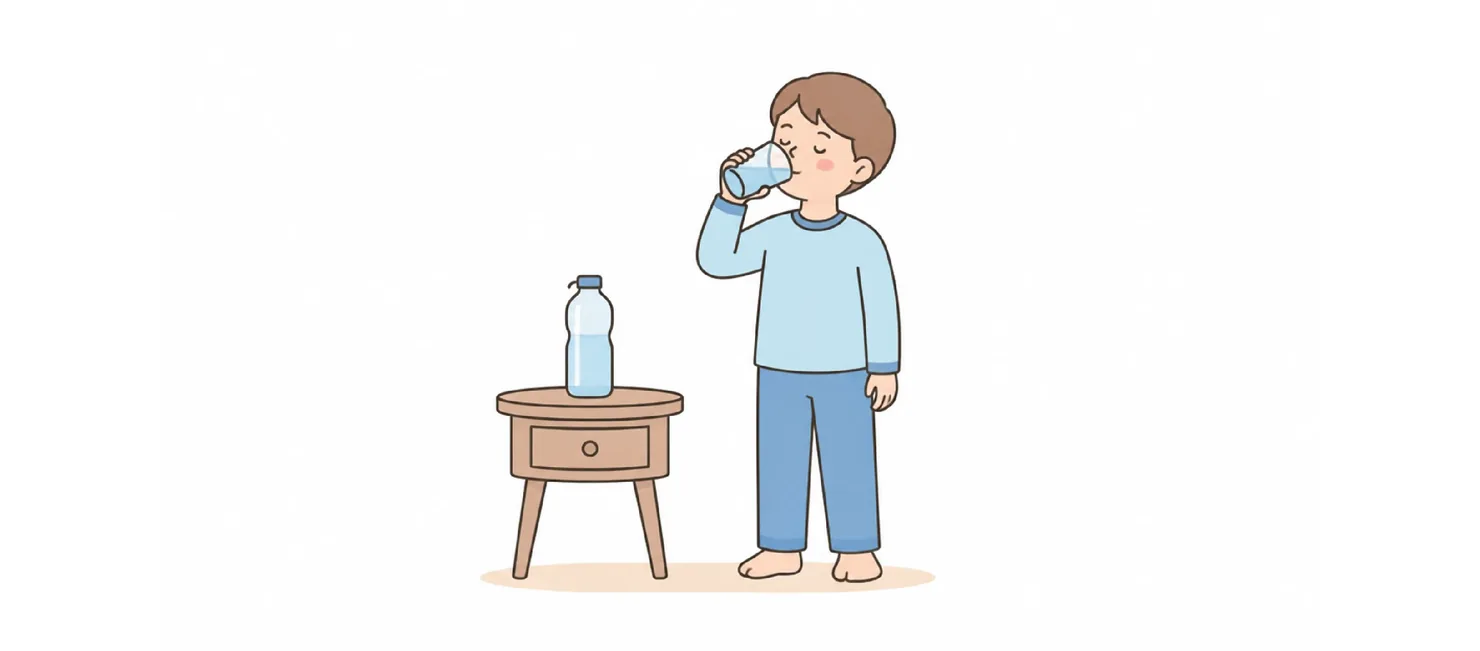 A general habit like “I drink water” has no specific object being disposed of — use regular SVO.
3. The verb doesn’t affect or change the object. Some verbs don’t “handle” or change the object in any way. These are feeling verbs (喜欢 — like, 爱 — love), state verbs (是 — be, 有 — have, 在 — be at), and perception verbs (知道 — know, 看见 — see). Since the object isn’t being affected, we don’t use 把.
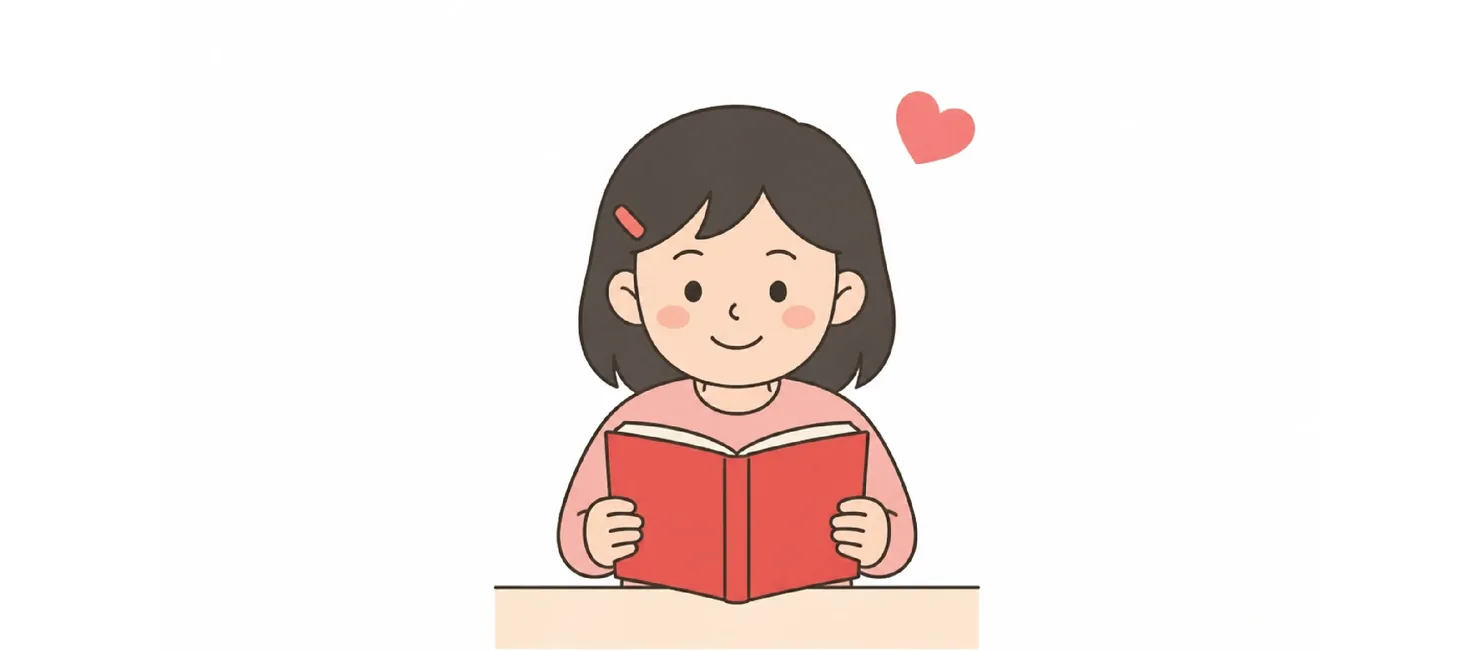 Feeling verbs like 喜欢 don’t physically change the object — they cannot use 把.
- Object is indefinite (a book, something) — listener doesn’t know which one.
- General fact or habit — no specific result on a known object.
- Stative or perception verbs (喜欢, 知道, 是, 有) — these don’t “do” anything to the object.
Simple memory trick — the “THE” rule: use 把 when you would say “THE” in English (a specific thing), not “A” (any thing). If you can use “the” before the object in your English translation, 把 is likely the right choice in Chinese.
Beginner’s tip: When you’re not sure, use regular SVO. Chinese people will understand you. As you practice more, using 把 will start to feel natural.
Memory trick: use 把 when you'd say "THE" in English (specific), not "A" (any thing).
2. Core Structure — The Golden Rule
Now that you understand when to use 把, let's look at the basic structure. The most important thing to remember is the Golden Rule: the verb in a 把 sentence must always have something after it. A "bare" verb like 吃 (eat) or 看 (look) cannot appear alone after 把. Something must follow the verb to show the result, direction, or completion of the action. This is the single rule that accounts for more errors than any other. Without this element, the sentence is wrong in a fundamental way that no other change can fix.
The Golden Rule: the verb after 把 is never bare. It must always carry a complement. No complement = ungrammatical, always.
Golden Rule: Subject + 把 + Object + Verb + Complement (never bare verb alone)
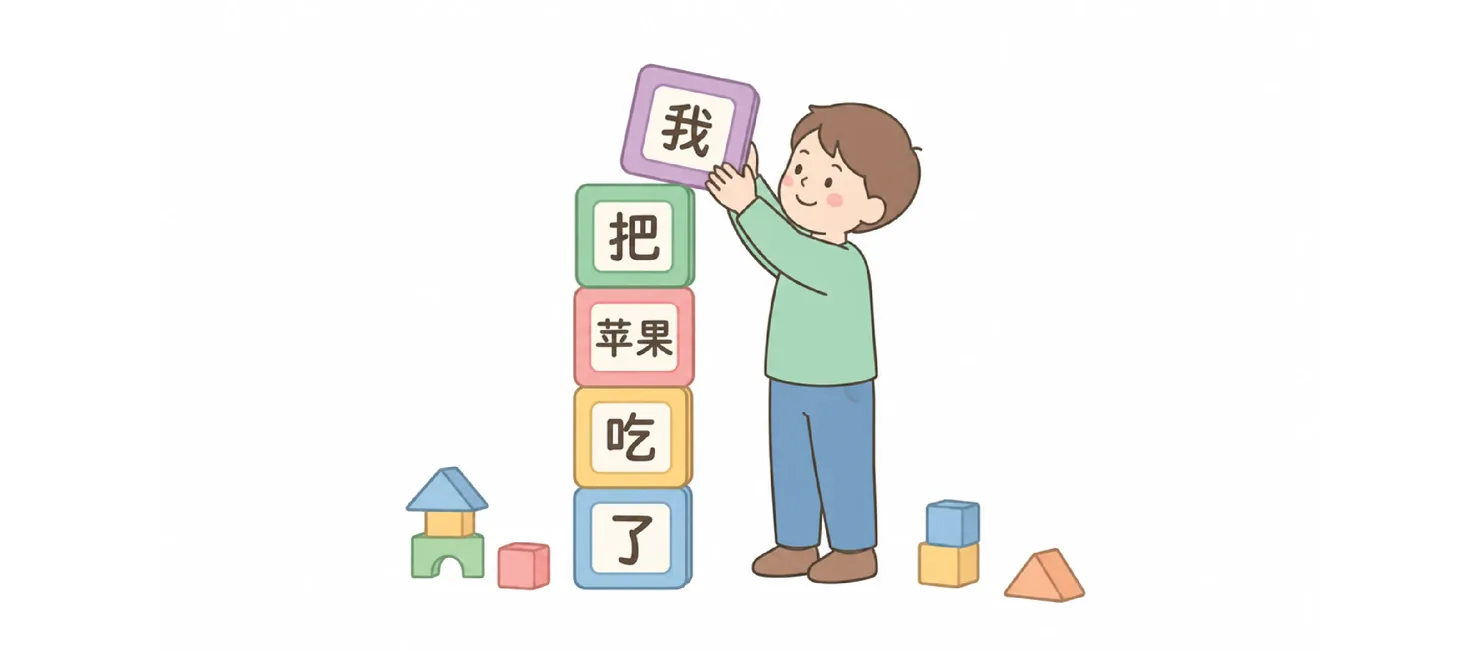 Every element of the 把 sentence has its place — and the final complement block (了/完/好…) must always be there.
| Chinese | Pinyin | English | |
|---|---|---|---|
| ✅ Correct | 我把苹果吃了。 | Wǒ bǎ píngguǒ chī le. | I ate the apple (up). |
| ❌ Incorrect | 我把苹果吃。 | Wǒ bǎ píngguǒ chī. | (verb needs a complement) |
| Chinese | Pinyin | English | |
|---|---|---|---|
| ✅ Correct | 请把门关上。 | Qǐng bǎ mén guān shàng. | Please close the door. |
| ❌ Incorrect | 请把门关。 | Qǐng bǎ mén guān. | (verb needs a complement) |
| Chinese | Pinyin | English | |
|---|---|---|---|
| ✅ Correct | 请你把衣服洗了。 | Qǐng nǐ bǎ yīfu xǐ le. | Please wash the clothes. |
| ❌ Incorrect | 请你把衣服洗。 | Qǐng nǐ bǎ yīfu xǐ. | (verb needs a complement) |
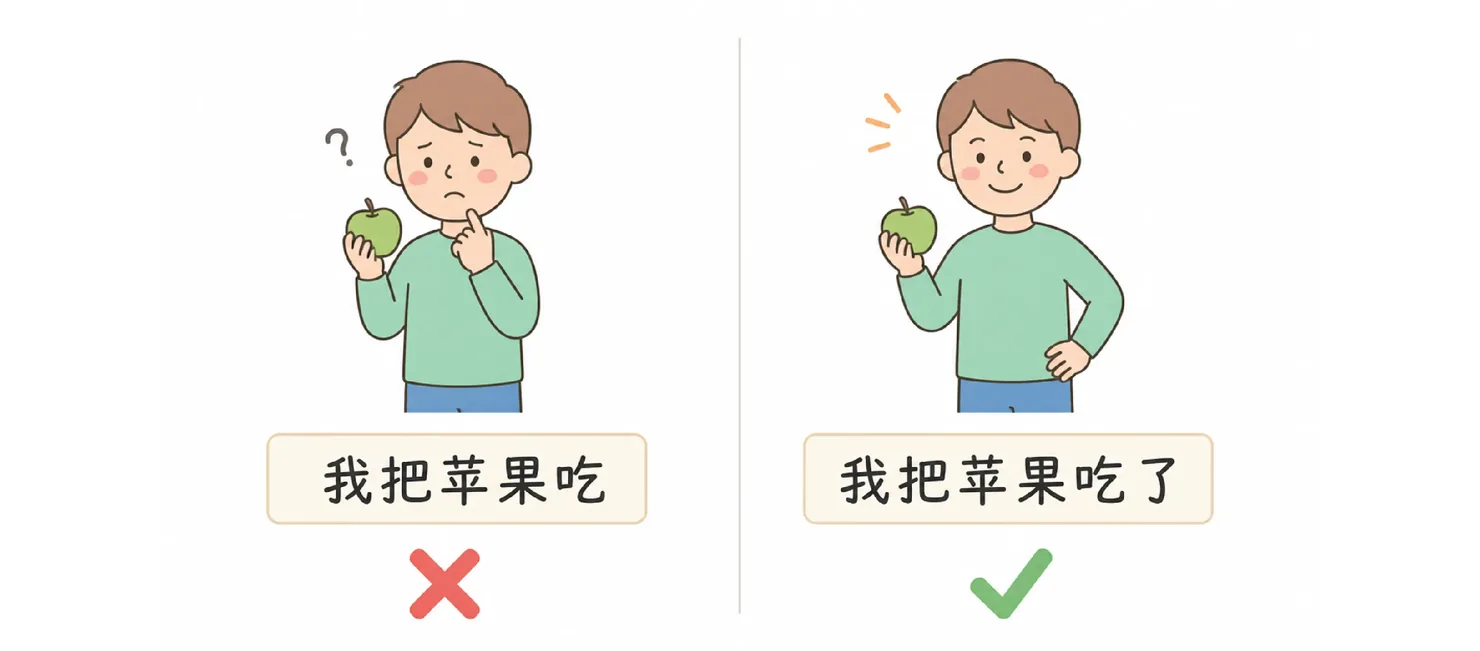 A bare verb after 把 always produces an ungrammatical sentence — the complement is not optional.
The verb must be followed by something that shows the result, direction, or completion of the action. Here are the most common types of complements:
The complement types that can follow the verb:
| Type | Example | Pinyin | English |
|---|---|---|---|
| Result: 完 | 我把作业做完了。 | Wǒ bǎ zuòyè zuò wán le. | I finished the homework. |
| Result: 好 | 我把饭做好了。 | Wǒ bǎ fàn zuò hǎo le. | I finished cooking. |
| Result: 错 | 她把字写错了。 | Tā bǎ zì xiě cuò le. | She wrote the character wrong. |
| Result: 掉 | 他把苹果吃掉了。 | Tā bǎ píngguǒ chī diào le. | He ate the apple up. |
| Direction: 过来 | 请把书拿过来。 | Qǐng bǎ shū ná guòlái. | Please bring the book over. |
| Direction: 出去 | 他把垃圾扔出去了。 | Tā bǎ lājī rēng chūqù le. | He threw the rubbish out. |
| Location: 在 | 把书放在桌子上。 | Bǎ shū fàng zài zhuōzi shàng. | Put the book on the table. |
| Location: 到 | 把车开到学校。 | Bǎ chē kāi dào xuéxiào. | Drive the car to school. |
| Recipient: 给 | 把礼物送给老师。 | Bǎ lǐwù sòng gěi lǎoshī. | Give the gift to the teacher. |
| Completion: 了 | 我把水喝了。 | Wǒ bǎ shuǐ hē le. | I drank the water. |
| Verb reduplication (HSK 4) | 把房间打扫打扫。 | Bǎ fángjiān dǎsǎo dǎsǎo. | Clean the room a bit. |
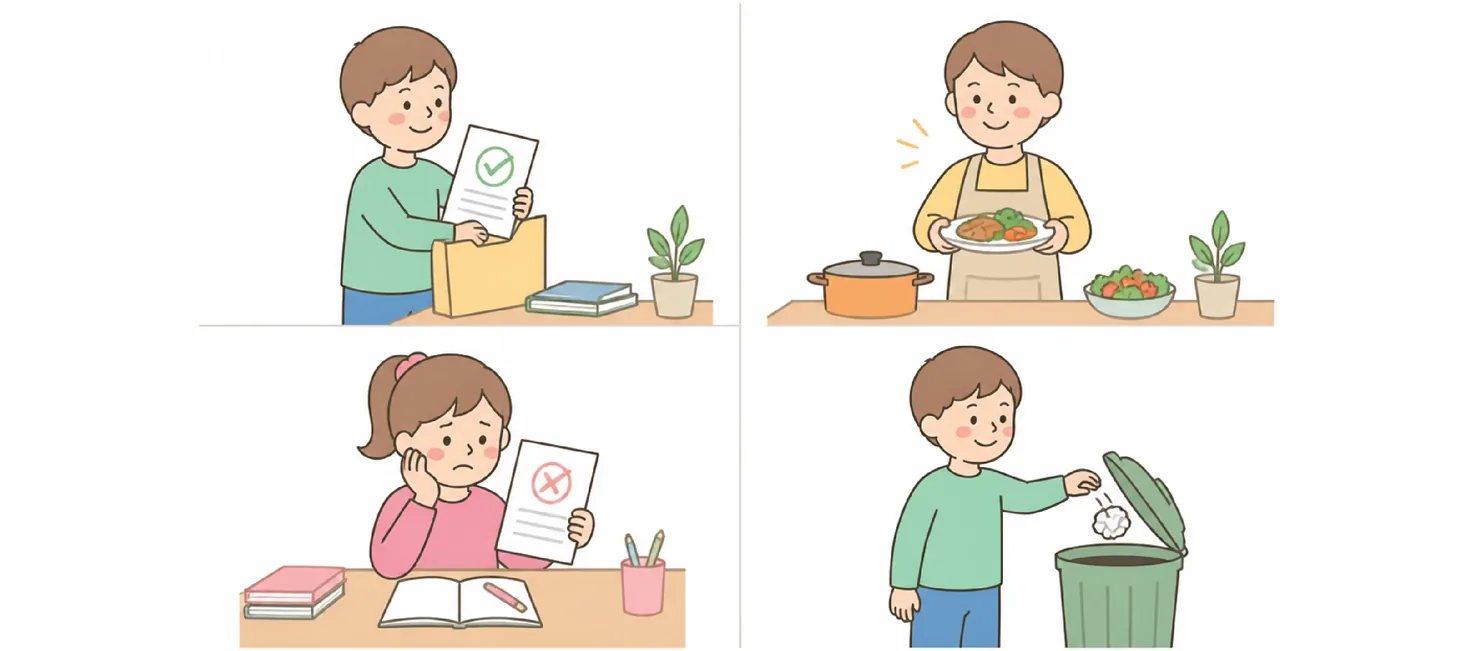 Disposal actions — filing, cooking, making an error, discarding — are the kinds of verbs that work with 把.
3. Three Essential Rules
Before you can use 把 correctly, you need to understand three conditions. Think of them as a checklist: if any condition is missing, you cannot use 把. The three conditions are: (1) the verb must have a complement — not a "bare" verb; (2) the object must be definite — known and specific to both speaker and listener; (3) the verb must express disposal — an action that affects, changes, or handles the object. A sentence must satisfy all three simultaneously. Let's examine each condition in detail.
Three conditions must all be met: (1) verb + complement, (2) definite object, (3) disposal action. If any one is missing, 把 cannot be used.
Rule 1 — The Verb Must Have a Complement
The verb must be followed by something that shows the result, direction, or completion of the action. Consider the difference in English between "I ate the apple" (just a fact) and "I ate up the apple" (emphasizes completion). Chinese uses complements to achieve this "up" effect — and the 把 structure forces you to include this information. Without it, the sentence sounds incomplete and unnatural.
The verb must have something after it showing result, direction, or completion. A bare verb after 把 is always wrong.
| Chinese | Pinyin | English | |
|---|---|---|---|
| ✅ Correct | 请你把衣服洗了。 | Qǐng nǐ bǎ yīfu xǐ le. | Please wash the clothes. |
| ❌ Incorrect | 请你把衣服洗。 | Qǐng nǐ bǎ yīfu xǐ. | (verb needs a complement) |
| Chinese | Pinyin | English | |
|---|---|---|---|
| ✅ Correct | 帮我把这本词典还了。 | Bāng wǒ bǎ zhè běn cídiǎn huán le. | Help me return the dictionary. |
| ❌ Incorrect | 帮我把这本词典还。 | Bāng wǒ bǎ zhè běn cídiǎn huán. | (verb needs a complement) |
| Chinese | Pinyin | English | |
|---|---|---|---|
| ✅ Correct | 你把灯关了吧。 | Nǐ bǎ dēng guān le ba. | Turn off the light. |
| ❌ Incorrect | 你把灯关。 | Nǐ bǎ dēng guān. | (verb needs a complement) |
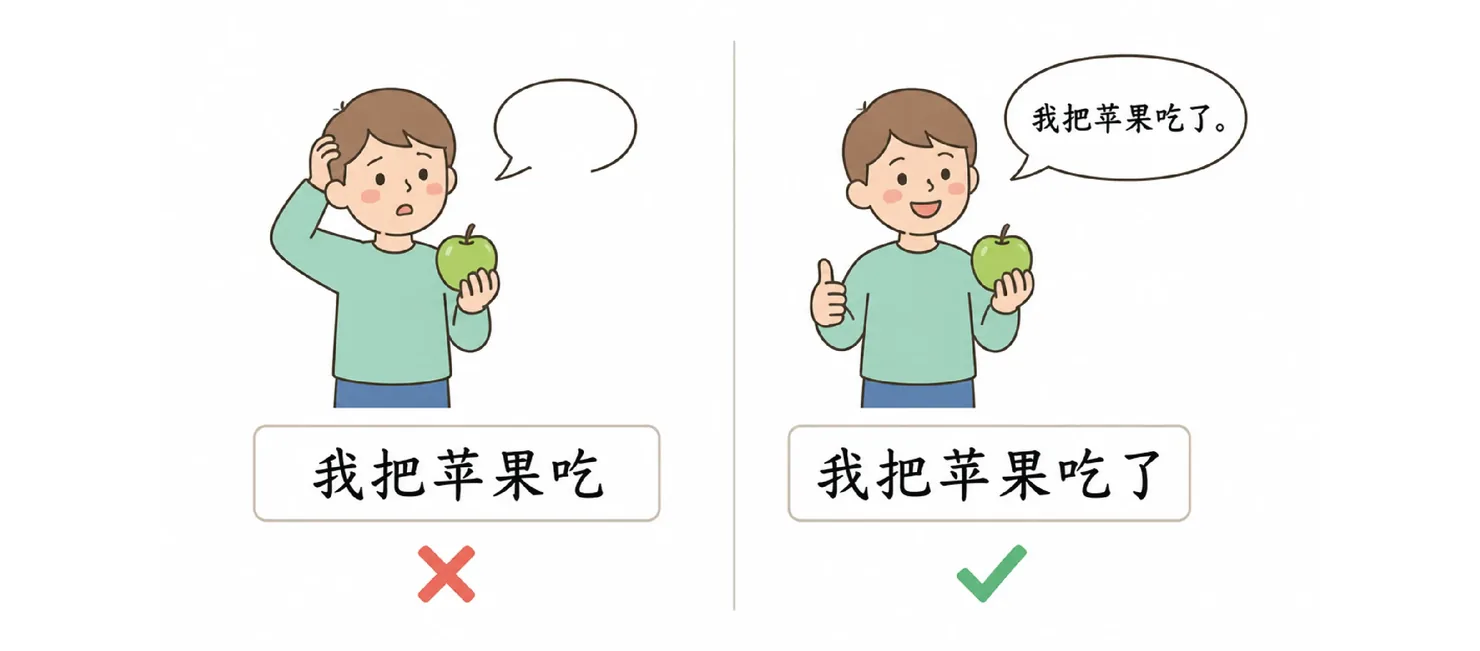 Rule 1 in one image — the complement (了) transforms the ungrammatical bare verb into a complete 把 sentence.
Rule 2 — The Object Must Be Definite
The object after 把 must be something both the speaker and listener already know about. Think of it this way: in English, we say "the book" (definite) vs. "a book" (indefinite). Chinese uses 把 only with "the book" type objects — things that are specific and identifiable. If you mention something for the first time or if the listener doesn't know which specific thing you mean, you cannot use 把.
The object must be specific and known to both parties — "the book," not "a book." If the listener doesn't know which thing you mean, 把 cannot be used.
| Chinese | Pinyin | English | |
|---|---|---|---|
| ✅ Correct | 把桌子上的书给我。 | Bǎ zhuōzi shàng de shū gěi wǒ. | Give me the book on the table. |
| ❌ Incorrect | 把一本书给我。 | Bǎ yī běn shū gěi wǒ. | Give me a book. |
| ✅ Correct | 把那本书拿来。 | Bǎ nà běn shū ná lái. | Bring that book. |
| ❌ Incorrect | 把一本书拿来。 | Bǎ yī běn shū ná lái. | Bring a book. |
| ✅ Correct | 把我的手机拿来。 | Bǎ wǒ de shǒujī ná lái. | Bring my phone. |
| ❌ Incorrect | 把一个手机拿来。 | Bǎ yī ge shǒujī ná lái. | Bring a phone. |
How to make an object definite:
You might be wondering: “How do I make an object definite in Chinese?” The answer is simple — use words that identify a specific thing. Here are the most common ways:
Ways to mark an object as definite so 把 can be used:
| Method | Example | Pinyin | English |
|---|---|---|---|
| Use 这 (this) or 那 (that) | 把这杯水喝了。 | Bǎ zhè bēi shuǐ hē le. | Drink this glass of water. |
| Use a possessive pronoun | 把我的手机拿来。 | Bǎ wǒ de shǒujī ná lái. | Bring my phone. |
| Use a descriptive phrase | 把昨天买的水果拿来。 | Bǎ zuótiān mǎi de shuǐguǒ ná lái. | Bring the fruit bought yesterday. |
| Object already mentioned | B: 我把书放在桌子上了。 | Wǒ bǎ shū fàng zài zhuōzi shàng le. | B: I put it on the table. |
Using 这 (this) or 那 (that) is the most common way to make an object definite. That’s why you see many examples like 把这杯水 (this glass of water) or 把那本书 (that book). Once you use 这/那, both you and the listener know exactly which thing you’re talking about.
Rule 3 — The Verb Must Affect the Object
The action must affect, change, or handle the object in some way. In simple terms, the verb must "do something" to the object — move it, change it, create it, transfer it, or produce a clear result on it. Feeling verbs and state verbs cannot be used with 把 because they don't physically "handle" or change anything. When you say "I like him," the person you like isn't being changed by your liking. When you say "I know this matter," knowing something doesn't change the matter at all. So we don't use 把 in either case.
The verb must "do something" to the object — move it, change it, or produce a result on it. Stative verbs (like, know, be, have) and perception verbs (see, hear) don't change the object, so they can't be used with 把.
| ✅ Can use 把 | ❌ Cannot use 把 |
|---|---|
| 吃 (eat), 喝 (drink) | 是 (be) |
| 写 (write), 画 (draw) | 有 (have) |
| 搬 (move), 拿 (take) | 在 (be at) |
| 放 (put), 关 (close) | 喜欢 (like) |
| 送 (send), 给 (give) | 爱 (love) |
| 打 (break), 洗 (wash) | 知道 (know) |
| 忘 (forget) | 觉得 (feel) |
| 记住 (remember) | 看见 (see) |
| 做 (do/make) | 听见 (hear) |
| Chinese | Pinyin | English | |
|---|---|---|---|
| ✅ Correct | 我把他的电话忘了。 | Wǒ bǎ tā de diànhuà wàng le. | I forgot his phone number. |
| ✅ Correct | 我把那件事记住了。 | Wǒ bǎ nà jiàn shì jìzhù le. | I remembered that matter. |
| ✅ Correct | 请把门关上。 | Qǐng bǎ mén guān shàng. | Please close the door. |
| ❌ Incorrect | 我把他喜欢。 | Wǒ bǎ tā xǐhuān. | (I like him.) |
| ❌ Incorrect | 我把这件事知道。 | Wǒ bǎ zhè jiàn shì zhīdào. | (I know this matter.) |
| ❌ Incorrect | 请把门看见。 | Qǐng bǎ mén kànjiàn. | (Please see the door.) |
4. Negation and Questions
Now that you understand the basic structure and conditions, let's look at how to form negative sentences and questions with 把. The rule for negation is simple and absolute: negation words (没, 不, 别) must come before 把, not before the verb. Why? The 把 structure functions as a single unit. When you say "I didn't eat the apple," the "didn't" applies to the entire action, so it must go before the whole 把 structure. Placing the negation between 把 and the verb breaks the structure.
Negation (没/不/别) always goes before 把 — never between 把 and the verb. The 把 structure is a single unit and must be negated as a whole.
Structure: Negation (没/不/别) + 把 + Object + Verb + Complement
| Chinese | Pinyin | English | |
|---|---|---|---|
| ✅ Correct | 我没把作业写完。 | Wǒ méi bǎ zuòyè xiě wán. | I didn’t finish the homework. |
| ❌ Incorrect | 我把作业没写完。 | Wǒ bǎ zuòyè méi xiě wán. | (没 must come before 把) |
| ✅ Correct | 你别把书放在地上! | Nǐ bié bǎ shū fàng zài dì shàng! | Don’t put the book on the floor! |
| ❌ Incorrect | 你把书别放在地上! | Nǐ bǎ shū bié fàng zài dì shàng! | (别 must come before 把) |
Difference between 不, 没, and 别:
| Negation | Use | Example | Pinyin | English |
|---|---|---|---|---|
| 不 | Present/future, habitual | 他不把书给我。 | Tā bù bǎ shū gěi wǒ. | He won’t give me the book. |
| 没 | Past, completed actions | 他没把书给我。 | Tā méi bǎ shū gěi wǒ. | He didn’t give me the book. |
| 别 | Commands, prohibitions | 别把书放在地上! | Bié bǎ shū fàng zài dì shàng! | Don’t put the book on the floor! |
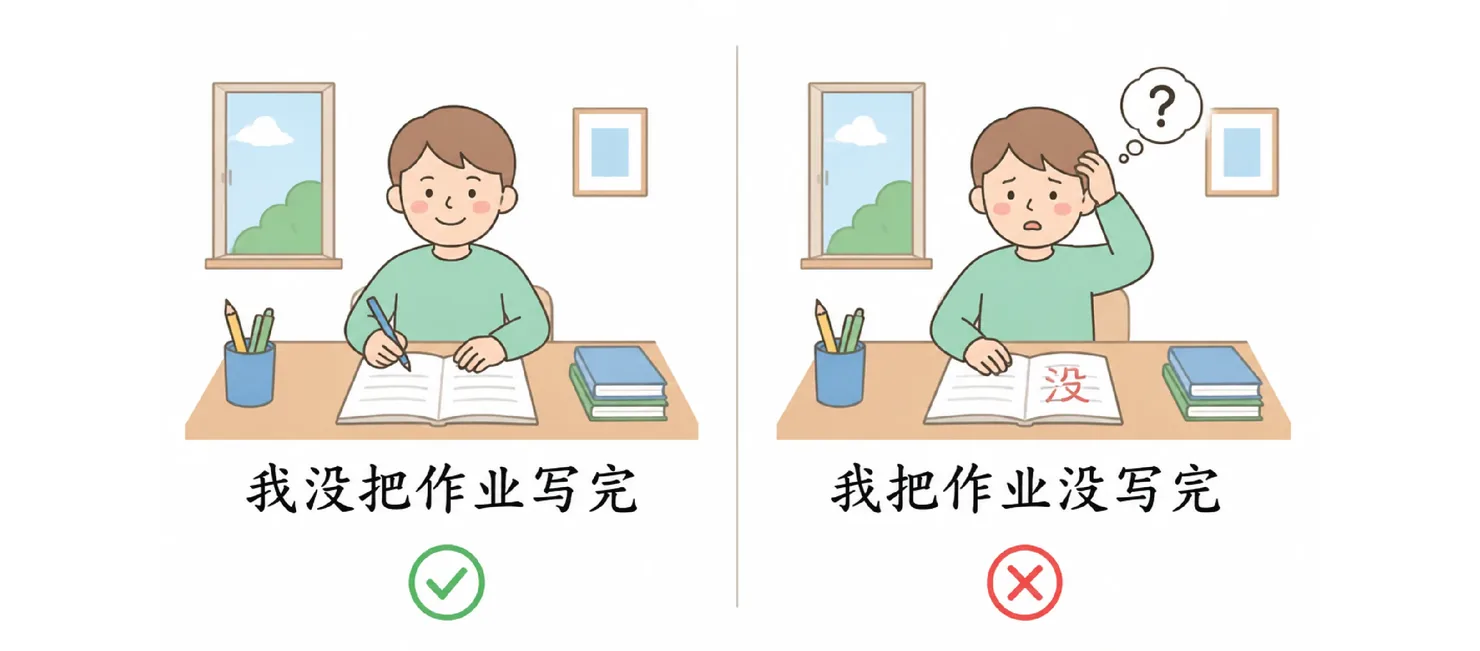 Negation goes before 把 — moving it between 把 and the verb breaks the sentence.
Forming Questions
You can form questions with 把 just like other Chinese sentences. There are three main methods. Method 1 is the simplest and most common — just add 吗 to the end. Method 2 uses a question word (什么, 谁, 哪儿) in place of the unknown element. Method 3 uses the positive-negative (V不V) structure, which is slightly more advanced but common in spoken Chinese.
Three question methods: (1) add 吗 at the end — simplest; (2) use a question word (什么, 谁, 哪儿) in place of the unknown; (3) use V不V reduplication.
Method 1: Add 吗 at the end
This is the simplest way to ask a yes/no question. Just add 吗 to the end of the sentence — the structure inside remains completely unchanged.
Add 吗 to the end — the 把 structure inside is unchanged.
| Chinese | Pinyin | English |
|---|---|---|
| 你把我的手机拿来了吗? | Nǐ bǎ wǒ de shǒujī ná lái le ma? | Did you bring my phone? |
| 你把作业做完了吗? | Nǐ bǎ zuòyè zuò wán le ma? | Did you finish your homework? |
| 你能把门关上吗? | Nǐ néng bǎ mén guān shàng ma? | Can you close the door? |
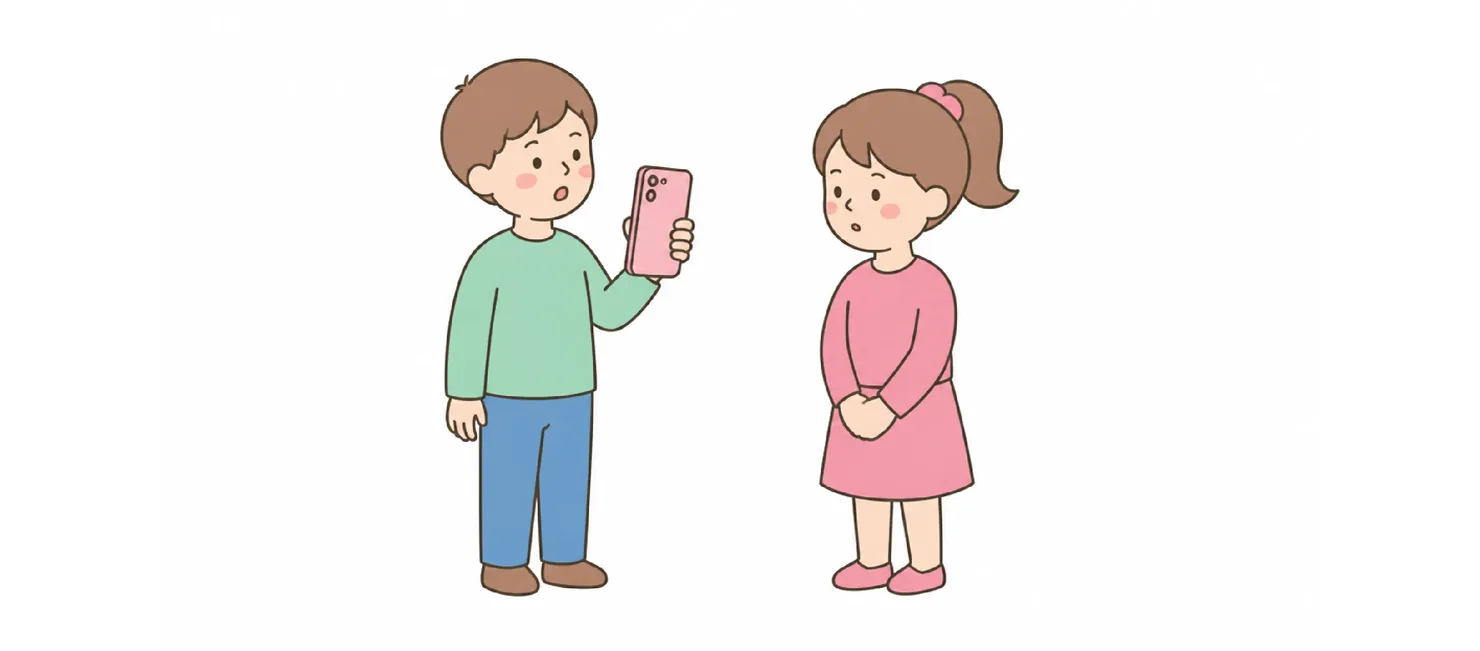 Add 吗 to any 把 sentence to form a yes/no question — no other changes needed.
Method 2: Use question words
When you need specific information (who, what, where), replace the unknown element with a question word like 什么 (what), 谁 (who), or 哪儿 (where).
Replace the unknown element with 什么, 谁, or 哪儿.
| Chinese | Pinyin | English |
|---|---|---|
| 你把什么东西放在桌子上了? | Nǐ bǎ shénme dōngxi fàng zài zhuōzi shàng le? | What did you put on the table? |
| 你把书给谁了? | Nǐ bǎ shū gěi shéi le? | Who did you give the book to? |
| 你把书包放在哪儿了? | Nǐ bǎ shūbāo fàng zài nǎr le? | Where did you put the schoolbag? |
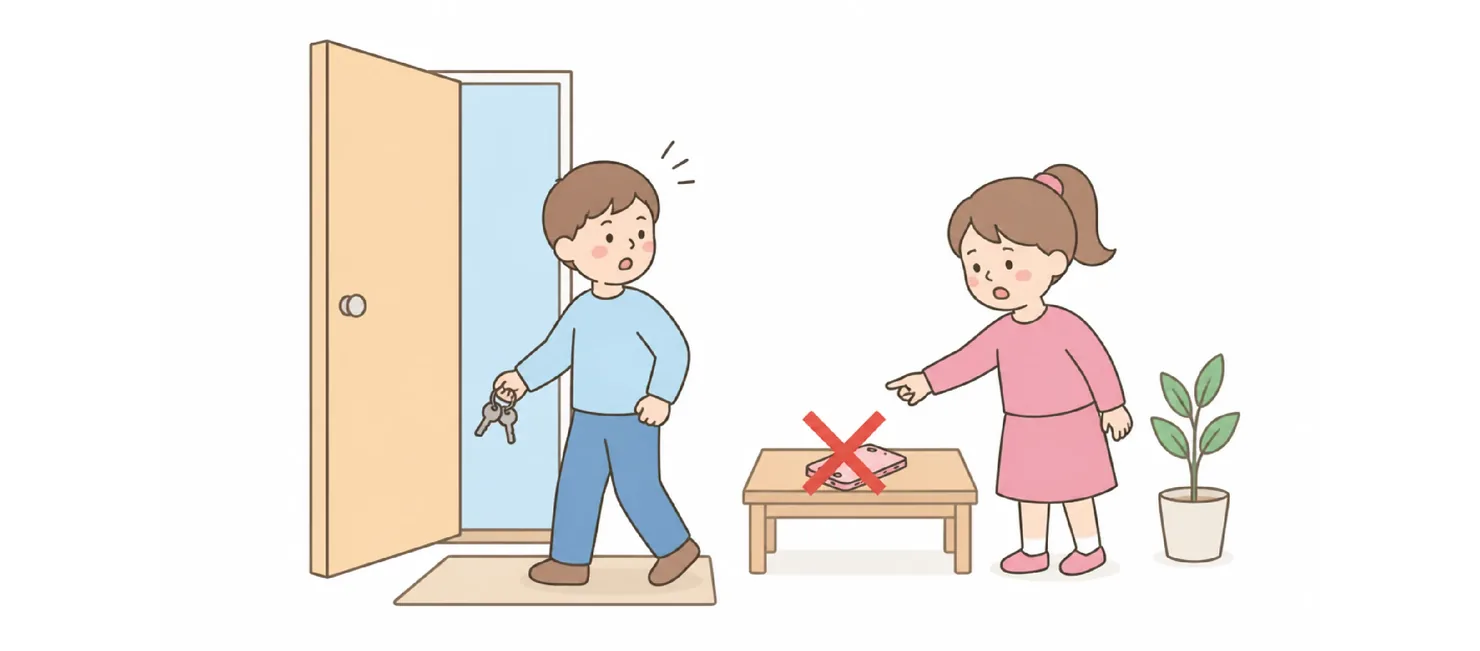 Question-word questions replace the unknown element (the location) with 哪儿, 什么, or 谁.
Method 3: Positive-negative questions (V不V)
You can also use the V不V structure to ask yes/no questions. The modal or main verb is reduplicated with 不 in between. This is slightly more advanced but common in spoken Chinese. If this feels confusing, stick with Method 1 — it’s the simplest and most common.
Reduplicate the modal verb with 不: 能不能, 要不要, 想不想. Common in speech; use Method 1 if unsure.
| Chinese | Pinyin | English |
|---|---|---|
| 你要不要把这本书带走? | Nǐ yào bu yào bǎ zhè běn shū dài zǒu? | Do you want to take this book away? |
| 你能不能把窗户打开? | Nǐ néng bu néng bǎ chuānghu dǎ kāi? | Can you open the window? |
| 你想不想把作业做完? | Nǐ xiǎng bu xiǎng bǎ zuòyè zuò wán? | Do you want to finish the homework? |
5. Modal Verbs and 把
Just like negation, modal verbs (helping verbs like 能, 会, 可以, 应该, 想, 要) must come before 把. Never put the modal verb between 把 and the main verb — this is one of the most common word-order errors learners make. The polite marker 请 follows the same rule and also goes before 把.
Modal verbs (能, 会, 可以, 应该, 想, 要) always go before 把 — never between 把 and the verb. 请 follows the same rule.
Structure: Modal Verb + 把 + Object + Verb + Complement
| Modal | Example | Pinyin | English |
|---|---|---|---|
| 能 (can) | 你能把门关上吗? | Nǐ néng bǎ mén guān shàng ma? | Can you close the door? |
| 会 (will/can) | 我会把作业做完。 | Wǒ huì bǎ zuòyè zuò wán. | I will finish the homework. |
| 可以 (may) | 我可以把这本书拿走吗? | Wǒ kěyǐ bǎ zhè běn shū ná zǒu ma? | May I take this book away? |
| 应该 (should) | 你应该把房间打扫一下。 | Nǐ yīnggāi bǎ fángjiān dǎsǎo yīxià. | You should clean the room. |
| 想 (want to) | 我想把这杯水喝了。 | Wǒ xiǎng bǎ zhè bēi shuǐ hē le. | I want to drink this glass of water. |
| 要 (will/want) | 他要把书还给我。 | Tā yào bǎ shū huán gěi wǒ. | He will return the book to me. |
⚠️ Never put the modal verb between 把 and the verb:
| Chinese | Pinyin | Note | |
|---|---|---|---|
| ✅ Correct | 你能把门关上吗? | Nǐ néng bǎ mén guān shàng ma? | Can you close the door? |
| ❌ Incorrect | 你把门能关上吗? | Nǐ bǎ mén néng guān shàng ma? | (Wrong position of 能) |
| ✅ Correct | 我想把这本书看完。 | Wǒ xiǎng bǎ zhè běn shū kàn wán. | I want to finish reading this book. |
| ❌ Incorrect | 我把这本书想看完。 | Wǒ bǎ zhè běn shū xiǎng kàn wán. | (Wrong position of 想) |
| ✅ Correct | 请你把窗户打开。 | Qǐng nǐ bǎ chuānghu dǎ kāi. | Please open the window. |
| ❌ Incorrect | 你把窗户请打开。 | Nǐ bǎ chuānghu qǐng dǎ kāi. | (Wrong position of 请) |
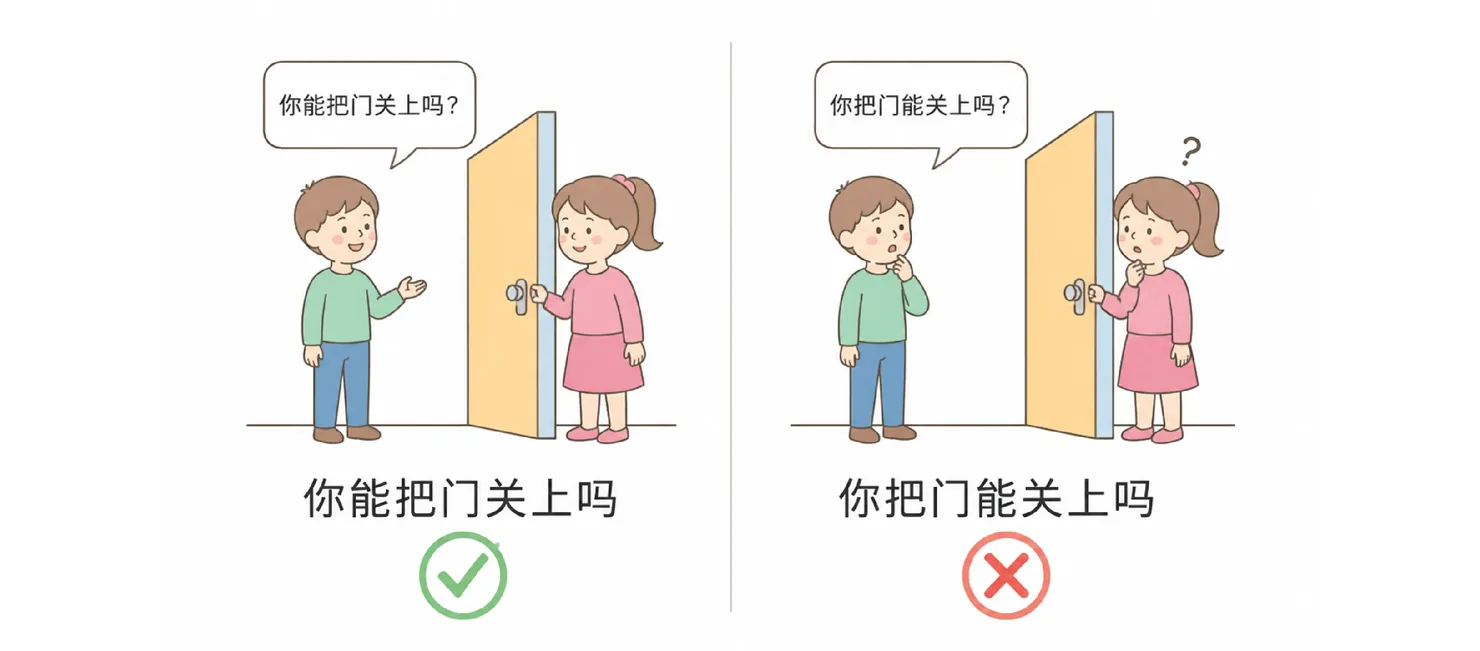 Modal verbs go before 把 — a simple rule, but a very common error.
6. Object vs. Location Placement
When a sentence has both an object and a location, Chinese has specific rules for where each goes. The key difference is: the object (what is moved) comes after 把, before the verb. The location (where it moves to) comes after the verb, introduced by 在 or 到. These two positions are completely different and cannot be swapped.
Object goes after 把, before the verb. Location goes after the verb, introduced by 在 (static position) or 到 (reached destination). These positions cannot be swapped.
See also: Compound Directional Complements — for sentences combining object movement with directional complements.
Table 1: Object + Location / Recipient
| Sentence Type | Structure | Example | Pinyin | English |
|---|---|---|---|---|
| Moving object only | 把 + Object + V + Direction | 把书拿过来。 | Bǎ shū ná guòlái. | Bring the book over. |
| Object + location (static) | 把 + Object + V + 在 + Location | 把书放在桌子上。 | Bǎ shū fàng zài zhuōzi shàng. | Put the book on the table. |
| Object + location (dynamic) | 把 + Object + V + 到 + Location | 把车开到学校。 | Bǎ chē kāi dào xuéxiào. | Drive the car to school. |
| Object + recipient | 把 + Object + V + 给 + Person | 把礼物送给老师。 | Bǎ lǐwù sòng gěi lǎoshī. | Give the gift to the teacher. |
Table 2: Object + Direction + Location (Combined)
| Sentence Type | Structure | Example | Pinyin | English |
|---|---|---|---|---|
| Object + direction + location | 把 + Object + V + Direction + 到 + Location | 把书拿到桌子上来。 | Bǎ shū ná dào zhuōzi shànglái. | Bring the book onto the table. |
| Object + location + direction | 把 + Object + V + 到 + Location + Direction | 把车开到学校去。 | Bǎ chē kāi dào xuéxiào qù. | Drive the car to school. |
Correct vs. Incorrect Placement
| Chinese | Pinyin | Note | |
|---|---|---|---|
| ✅ Correct | 把书放在桌子上。 | Bǎ shū fàng zài zhuōzi shàng. | Put the book on the table. |
| ❌ Incorrect | 把书桌子上放。 | Bǎ shū zhuōzi shàng fàng. | Location before verb — wrong |
| ✅ Correct | 把车开到学校去。 | Bǎ chē kāi dào xuéxiào qù. | Drive the car to school. |
| ❌ Incorrect | 把车学校去开。 | Bǎ chē xuéxiào qù kāi. | Location before verb — wrong |
| ✅ Correct | 把书拿进来。 | Bǎ shū ná jìnlái. | Bring the book in. |
| ❌ Incorrect | 把书进拿来。 | Bǎ shū jìn ná lái. | Direction split incorrectly |
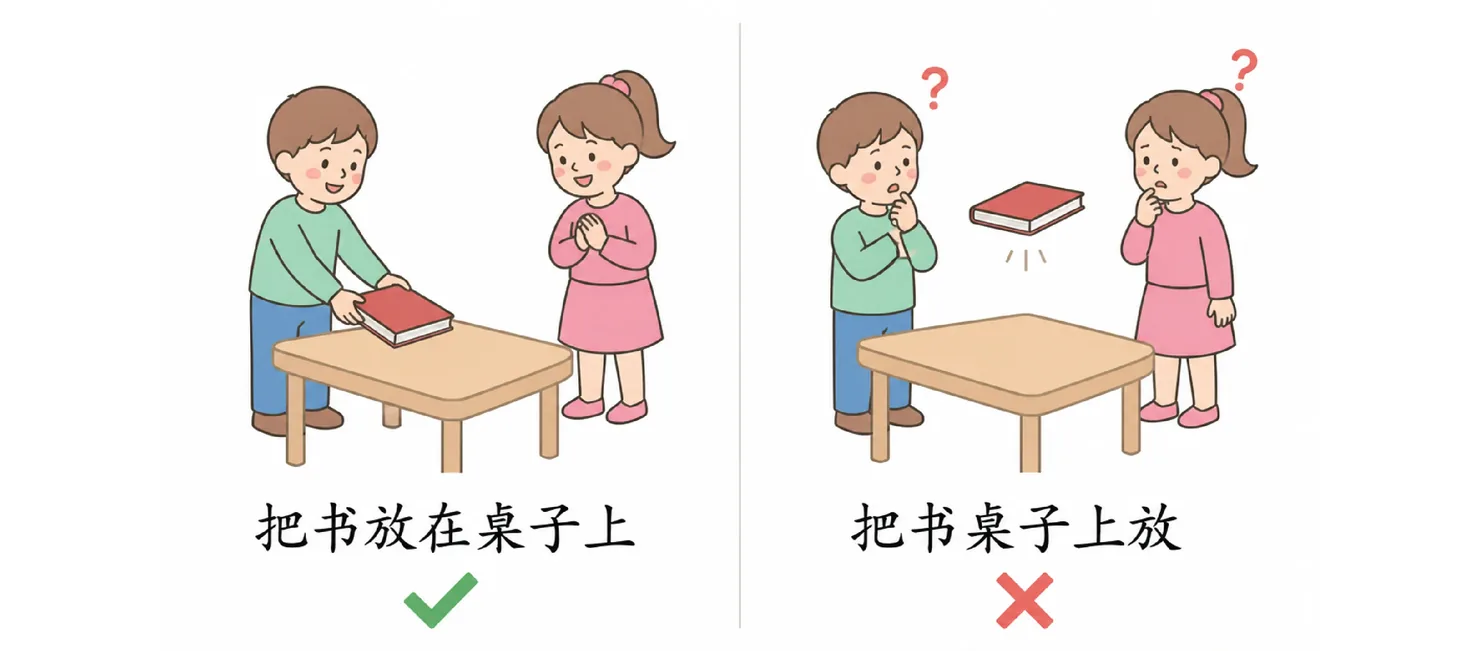 Location must follow the verb — placing it before the verb produces an ungrammatical sentence.
Important: Location cannot be placed directly after 把. The object goes after 把; the location goes after the verb.
Special Case: Digital Platforms
Sometimes the “location” in English is actually treated as a destination or platform in Chinese, not a physical location. This changes whether to use 在 or 到. When uploading, posting, or sending content to a digital platform (Instagram, YouTube, a website), treat it as a destination and use 到. When it’s a physical location (table, floor, room), use 在. Here are three examples to make this clear:
With digital platforms (upload, post, send), use 到 (destination), not 在 (physical location).
| Chinese | Pinyin | English | |
|---|---|---|---|
| ✅ Correct | 我把照片上传到Instagram。 | Wǒ bǎ zhàopiàn shàngchuán dào Instagram. | I uploaded the photos to Instagram. |
| ❌ Incorrect | 我把照片上传在Instagram。 | Wǒ bǎ zhàopiàn shàngchuán zài Instagram. | (Instagram is not a physical location) |
| ✅ Correct | 我把视频上传到YouTube。 | Wǒ bǎ shìpín shàngchuán dào YouTube. | I uploaded the video to YouTube. |
| ❌ Incorrect | 我把视频放在YouTube。 | Wǒ bǎ shìpín fàng zài YouTube. | (Sounds like placing a physical item) |
| ✅ Correct | 我把文件保存在电脑里。 | Wǒ bǎ wénjiàn bǎocún zài diànnǎo lǐ. | I saved the file on my computer. |
| ❌ Incorrect | 我把文件放在电脑。 | Wǒ bǎ wénjiàn fàng zài diànnǎo. | (Missing 里 — sounds like placing a physical file on top) |
| Verb Type | Verb | Preposition | Example |
|---|---|---|---|
| Physical placement | 放 (put), 放置 (place) | 在 (at) | 把书放在桌子上。(Put the book on the table.) |
| Digital transfer | 上传 (upload), 发 (send), 保存 (save) | 到 (to) | 把照片上传到Instagram。(Upload photos to Instagram.) |
| Movement | 开 (drive), 走 (walk) | 到 (to) | 把车开到学校。(Drive the car to school.) |
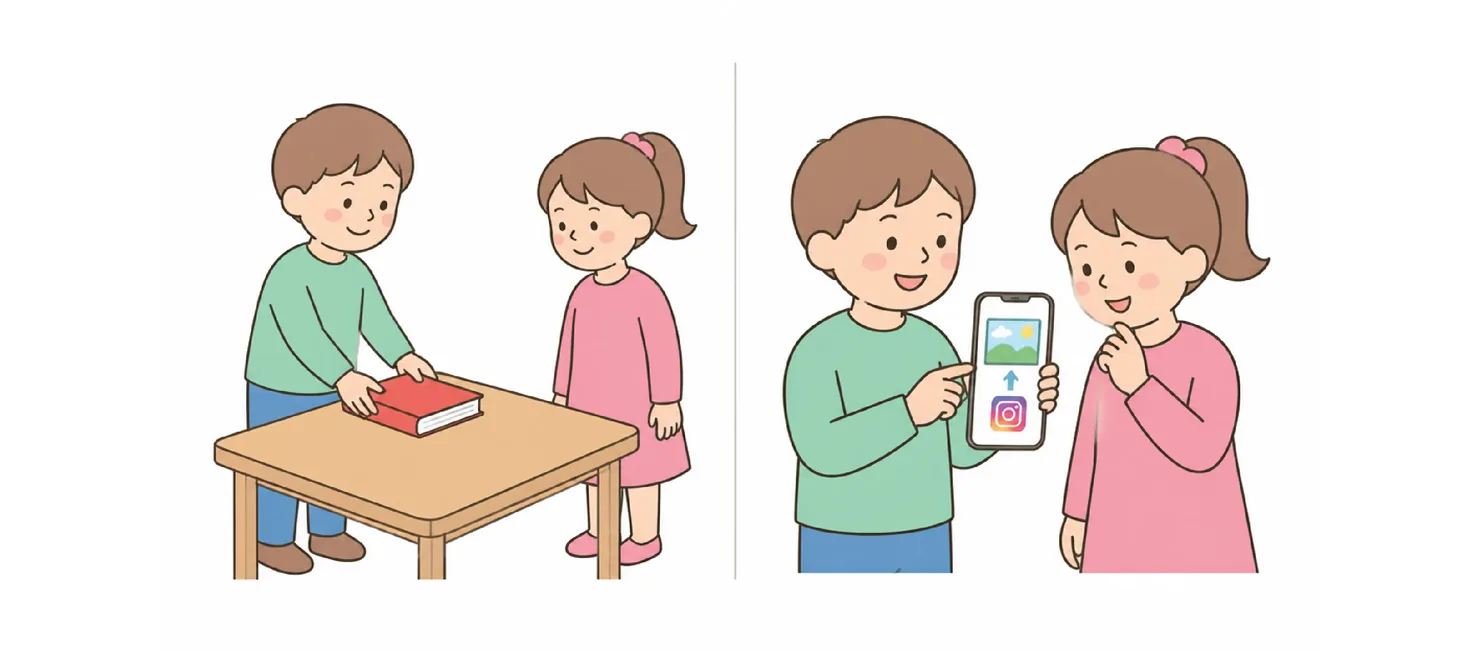 Physical placement uses 在; digital platforms and destinations use 到.
Quick Reference
This section summarizes everything you’ve learned about 把 sentences. Use it as a quick reference when you’re practicing. Before using 把, check all conditions — if any row in the “Don’t Use 把” column applies, restructure as standard SVO.
把 sentence checklist — check all conditions before using 把.
When to Use 把
| Condition | ✅ Use 把 | ❌ Don’t Use 把 |
|---|---|---|
| Object | Definite/specific (那, 这, possessive) | Indefinite/general |
| Verb | Has complement/result/了/direction | Bare verb |
| Action | Affects/changes object | Stative or perception verb |
| Purpose | Emphasize result on object | Simple statement of fact |
| Context | Command, instruction, narrative | General description |
Structure Summary
| Type | Structure | Example | Pinyin | English |
|---|---|---|---|---|
| Basic | S + 把 + O + V + RC/了 | 我把作业做完了。 | Wǒ bǎ zuòyè zuò wán le. | I finished the homework. |
| Location | S + 把 + O + V + 在/到/给 + Place | 把书放在桌子上。 | Bǎ shū fàng zài zhuōzi shàng. | Put the book on the table. |
| Direction | S + 把 + O + V + Direction | 把书拿过来。 | Bǎ shū ná guòlái. | Bring the book over. |
Negation and Modal Placement
| Word Type | Position | Example | Pinyin | English |
|---|---|---|---|---|
| Negation | BEFORE 把 | 我没把书带来。 | Wǒ méi bǎ shū dài lái. | I didn’t bring the book. |
| Modal verb | BEFORE 把 | 你能把门关上吗? | Nǐ néng bǎ mén guān shàng ma? | Can you close the door? |
| Request marker | BEFORE 把 | 请把窗户打开。 | Qǐng bǎ chuānghu dǎ kāi. | Please open the window. |
Remember the Three Rules — check before every 把 sentence:
- Complement needed: the verb must have something after it (了, result, direction, location)
- Definite object: the object must be known to both speaker and listener
- Action affects object: the verb must change or handle the object in some way
If any rule is missing → don’t use 把!
Drills
Rewrite using the 把 structure, or fill in the blank:
- 他 ___ 那杯水喝 ___ 了。(rewrite with 把; add result complement)
- 请你把作业 ___ 给老师。(hand in / submit)
- 我没 ___ 钥匙找 ___。(add 把; add result complement showing the key was found)
- 老师叫我把黑板 ___。(wipe it clean — verb + result complement)
- 她把手机放 ___ 桌子上了。(static position marker)
- 你能把这个箱子搬 ___ 来吗?(direction: toward the speaker)
- 请别把垃圾扔 ___ 地上!(location preposition)
- 他把这本书翻译 ___ 中文了。(transformation marker)
- 我没把作业做 ___。(completion marker)
- 请 ___ 门关上。(add 把)
Answer Key:
- 把 / 喝完(他把那杯水喝完了) 2. 交 3. 把 / 到(我没把钥匙找到) 4. 擦干净(把黑板擦干净)
- 在 6. 过 7. 在 8. 成 9. 完 10. 把
Notes
- 把 is obligatory when you need to emphasize what happened to the object. In colloquial speech it is sometimes omitted when the result is obvious from context, but in formal writing and instructions it is always kept.
- 把 sentences are common in instructions, commands, and narrative sequences where you track what happens to specific things.
- The object of 把 must be definite — known to both speaker and listener. This is one of the most frequently tested points in HSK.
- 把 vs. 被: 把 is the active disposal form (subject acts on the object); 被 is the passive form (subject receives the action).
- HSK progression: Type 1 (verb + result complement) introduced at HSK 3 L11; Type 2 (在/到/给) at L12; Type 3 (with directional complement) at L14.
Sources
HSK Standard Course 3 — L11 (把字句 Type 1: verb + result complement), L12 (把字句 Type 2: 在/到/给), L14 (把字句 Type 3: RC + directional complement)
HSK Standard Course 3 — Grammar Notes